






ARTIST | PHOTOGRAPHER | DESIGNER
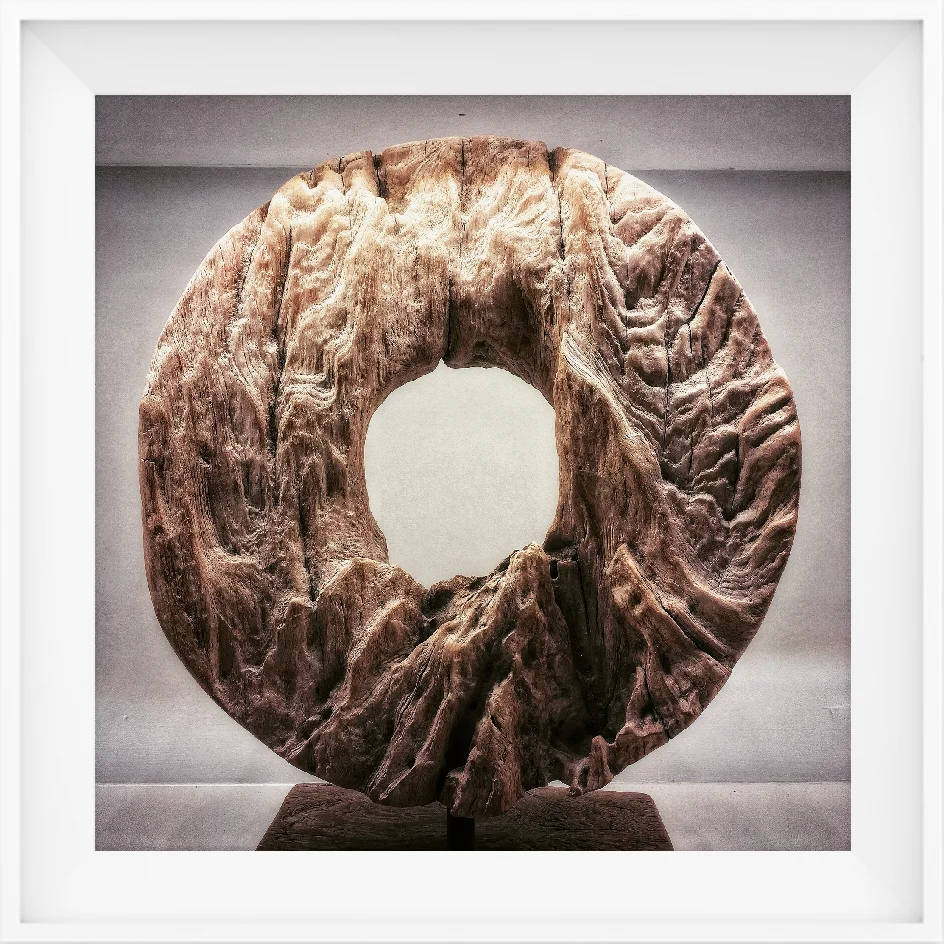
In traditional Japanese aesthetics, wabi-sabi is a world view centered on the acceptance of transience and imperfection. The aesthetic is sometimes described as one of beauty that is "imperfect, impermanent, and incomplete". It is a concept derived from the Buddhist teaching of the three marks of existence (sanbōin), specifically impermanence (mujō), suffering (ku) and emptiness or absence of self-nature (kū). Characteristics of the wabi-sabi aesthetic include asymmetry, roughness, simplicity, economy, austerity, modesty, intimacy, and appreciation of the ingenious integrity of natural objects and processes.
In traditional Japanese aesthetics, wabi-sabi is a world view centered on the acceptance of transience and imperfection. The aesthetic is sometimes described as one of beauty that is "imperfect, impermanent, and incomplete". It is a concept derived from the Buddhist teaching of the three marks of existence (sanbōin), specifically impermanence (mujō), suffering (ku) and emptiness or absence of self-nature (kū). Characteristics of the wabi-sabi aesthetic include asymmetry, roughness, simplicity, economy, austerity, modesty, intimacy, and appreciation of the ingenious integrity of natural objects and processes.
Quisque iaculis facilisis lacinia. Mauris euismod pellentesque tellus sit amet mollis.